
The Thrill of Uncertainty
The psychology of casino gamblers often revolves around the thrill of uncertainty. When individuals sit down at a gaming table or pull the lever on a slot machine, they engage in an experience rich with unpredictability. This element of surprise serves as a significant draw, as players become motivated by the potential for reward, especially when they explore different betting sites that offer unique games and bonuses. The brain releases dopamine, a neurotransmitter associated with pleasure and reward, heightening this experience and creating a cycle of wanting more. Gamblers often describe the rush they get when they win, which reinforces their behavior and encourages them to return even after experiencing losses.
Furthermore, the excitement of chance fuels a gambler’s desire to engage in riskier behavior. The anticipation built around a looming outcome can lead to a near-miss effect, where players feel closer to winning despite not achieving it. This psychological phenomenon can create an illusion of control, making gamblers believe that their actions can influence the game’s outcome, even when they are fundamentally reliant on luck. This false sense of control is a powerful motivator, drawing players back into the gaming environment even when they face significant losses.
This love for uncertainty is not limited to gambling alone; it spans across various aspects of human behavior. Many individuals are drawn to high-stakes situations, whether in finance, sports, or other competitive arenas, seeking similar thrills. Understanding this psychological urge for uncertainty can help casinos tailor their environments, offering games that enhance the overall experience. The atmosphere, from flashing lights to engaging sounds, is intentionally designed to keep players enthralled and deeply immersed, confirming the overarching role of psychology within gambling.
The Role of Social Interaction
Social interaction plays a crucial role in the psychology of casino gamblers, significantly enhancing their overall experience. Casinos are often bustling environments filled with other players, offering a unique dynamic that encourages socialization. Gamblers often enjoy sharing their experiences, whether celebrating a win or discussing strategies. This camaraderie can create a sense of belonging, making the gambling experience feel more communal and less isolating. In many cases, friendships form around shared interests in various games, reinforcing players’ commitment to their chosen casinos.
The social aspect extends beyond mere interaction; it can also influence decision-making. For instance, group dynamics can encourage individuals to engage in riskier behavior than they would when gambling alone. Friends may spur each other on to higher betting limits, overlooking the potential for losses due to the excitement and competitive spirit in the air. This social pressure can ultimately lead to a heightened level of engagement, but it may also lead to financial consequences if proper caution isn’t exercised. Understanding these dynamics can be critical for both gamblers and casino operators alike.
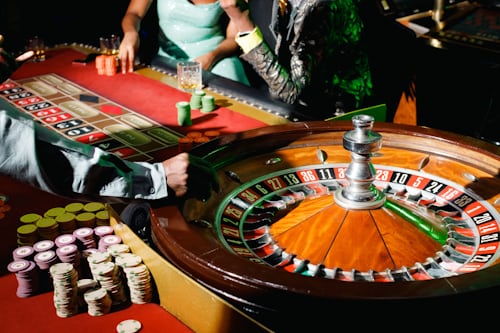
Moreover, the development of online gambling communities has further augmented social interaction in this sphere. Players can connect with others globally, sharing their experiences and strategies through various platforms. This digital camaraderie often creates a sense of accountability and community, as members discuss their wins and losses together. The psychological impacts of community engagement strengthen the ties that players have to their gaming activities, reinforcing the notion that gambling is not just a solitary endeavor but rather a social journey that can lead to both fulfillment and potential pitfalls.
The Illusion of Wealth
The psychology of casino gamblers is intricately linked to their perceptions of wealth, largely shaped by how gambling is portrayed in popular culture. Many people enter casinos with the mindset that they can walk away rich, fueled by stories of instant wealth and jackpot winners. This illusion is further perpetuated by marketing strategies that highlight the glitz and glamour associated with high-stakes gambling. Players often feel a rush at the idea of wealth, and this eagerness can cloud their judgment, leading them to risk more than they can afford to lose.
Interestingly, the illusion of wealth is also tied to cognitive biases, such as the availability heuristic. Players may recall more instances of big wins than losses, skewing their perception of reality. This cognitive distortion can result in repeated gambling behaviors, as individuals believe that they too can replicate the success stories they’ve heard. Psychologically, this leads to a cycle of chasing losses, where gamblers return to the casino in hopes of reclaiming lost money, often digging themselves into deeper financial trouble.
Additionally, the presentation of money within casinos serves to reinforce this illusion. Chips, representing cash, are often used to create a more tangible form of currency that feels less real than cash itself. This psychological distancing facilitates greater risk-taking, as players find it easier to part with chips rather than physical cash. This intentional design element underscores the importance of understanding the psychology behind the experience. Casinos are acutely aware of these nuances and leverage them to create an environment that maximizes profitability while captivating the players’ imaginations.
The Impact of Gambling Addiction
The darker side of the gambling experience lies in the potential for addiction, a significant psychological concern for many casino gamblers. Gambling addiction can stem from the very same thrill of unpredictability that attracts individuals to casinos. As the neurochemical reactions become conditioned over time, some players may find themselves caught in a compulsive cycle where they feel a constant urge to gamble, despite negative consequences. This addiction can lead to financial ruin, damaged relationships, and severe psychological distress.

Understanding the signs of gambling addiction is essential for both players and the industry. Symptoms may include obsessive thoughts about gambling, unsuccessful attempts to cut back, and neglecting personal and professional responsibilities. For some, the thrill of betting becomes intertwined with their identity, making it difficult to disentangle from their self-image. Addressing this issue requires a multifaceted approach, including awareness campaigns, support systems, and safeguards within gaming establishments to help mitigate potential harms associated with gambling addiction.
In recent years, there has been a significant push towards responsible gambling initiatives within the industry. Casinos are beginning to adopt policies that promote player protection, including self-exclusion programs and providing resources for those struggling with addiction. The integration of these practices is not only ethically responsible but also beneficial for maintaining a sustainable gambling environment. By understanding the psychological nuances of gambling addiction, both players and operators can work towards a healthier engagement with gaming.
Understanding the Casino Experience
The overall casino experience is a complex interplay of psychological factors that draws individuals into this unique form of entertainment. By examining the seductive elements of sound, light, and social interaction, one can begin to appreciate how casinos are designed to captivate attention and engage players on multiple levels. The environment itself is curated to create a sense of euphoria, encouraging patrons to stay longer and gamble more. From strategically placed games to the absence of clocks, every detail is designed to optimize the gaming experience.
Moreover, casinos have increasingly embraced technology to cater to the psychological needs of gamblers. Online platforms and mobile applications create an immediate connection to the gambling experience, allowing players to engage whenever and wherever they choose. The convenience of online gaming software appeals to the instant gratification sought by many gamblers. This shift towards digital has transformed the landscape of gaming, enabling operators to reach audiences across the globe while understanding their behavior through data analytics.
To encapsulate the essence of the casino experience, it is vital to appreciate the collective significance of personal psychology and environmental influences. By understanding the motivations that drive individuals to gamble, both operators and players can foster a more sustainable and enjoyable gambling culture. As the industry evolves, so too should the principles of responsible gaming, enhancing awareness and promoting healthier gaming habits among participants. The ongoing exploration of these psychological factors not only enriches the gaming experience but also contributes to a broader understanding of human behavior in the face of chance.